Not all non-profit organisations begin on equal footing when it comes to donor appeal. Causes supporting abused children,terminally ill patients, or vulnerable families often resonate immediately. The emotional connection is instant. The injustice is clear and the beneficiariesare sympathetic. The moral response feels urgent. By contrast, organisations working in substance abuse recovery, crime prevention, or offender rehabilitation frequently face a far more difficult path to funding, despite addressing issues that sit at the centre of social breakdown.
Most donors feel before they think. Children who are sick, abused, or impoverished trigger a powerful protective instinct. Donors can easily imagine the beneficiary and empathise with their suffering. Substance abuse and rehabilitation, however, carry stigma. Beneficiaries are often viewed, consciously or unconsciously, as having contributed to their own circumstances. Donors may question whether their money will be wasted or whether individuals truly want to change. Even when these doubts are rooted in misconception, they influence giving behaviour.
The paradox is that organisations in the rehabilitation and recovery space often deliver some of the most far reaching social impact. Effective substance abuse treatment reduces crime, restores family stability, lowers healthcare costs, and improves employability. Rehabilitation interrupts destructive cycles that ripple through entire communities. These outcomes are not abstract. They are measurable and transformative.
Through Community Chest, we see this impact in the work of the organisations we support.
SANCA (Morningside) operates Lulama House and offers a structured twenty one day holistic inpatient treatment programme, followed by a two year aftercare service for former patients and their families. Recovery is treated as a sustained journey. In addition to in patientcare, SANCA provides outpatient therapeutic services, family counselling, and a gambling rehabilitation programme. Prevention forms a central pillar of theirwork. They engage schools, parents, community groups, and businesses to reduce vulnerability to substance abuse and maintain Teenagers Against Drug Abuse groups within schools. Their model recognises that addiction affects not only individuals, but families and workplaces.
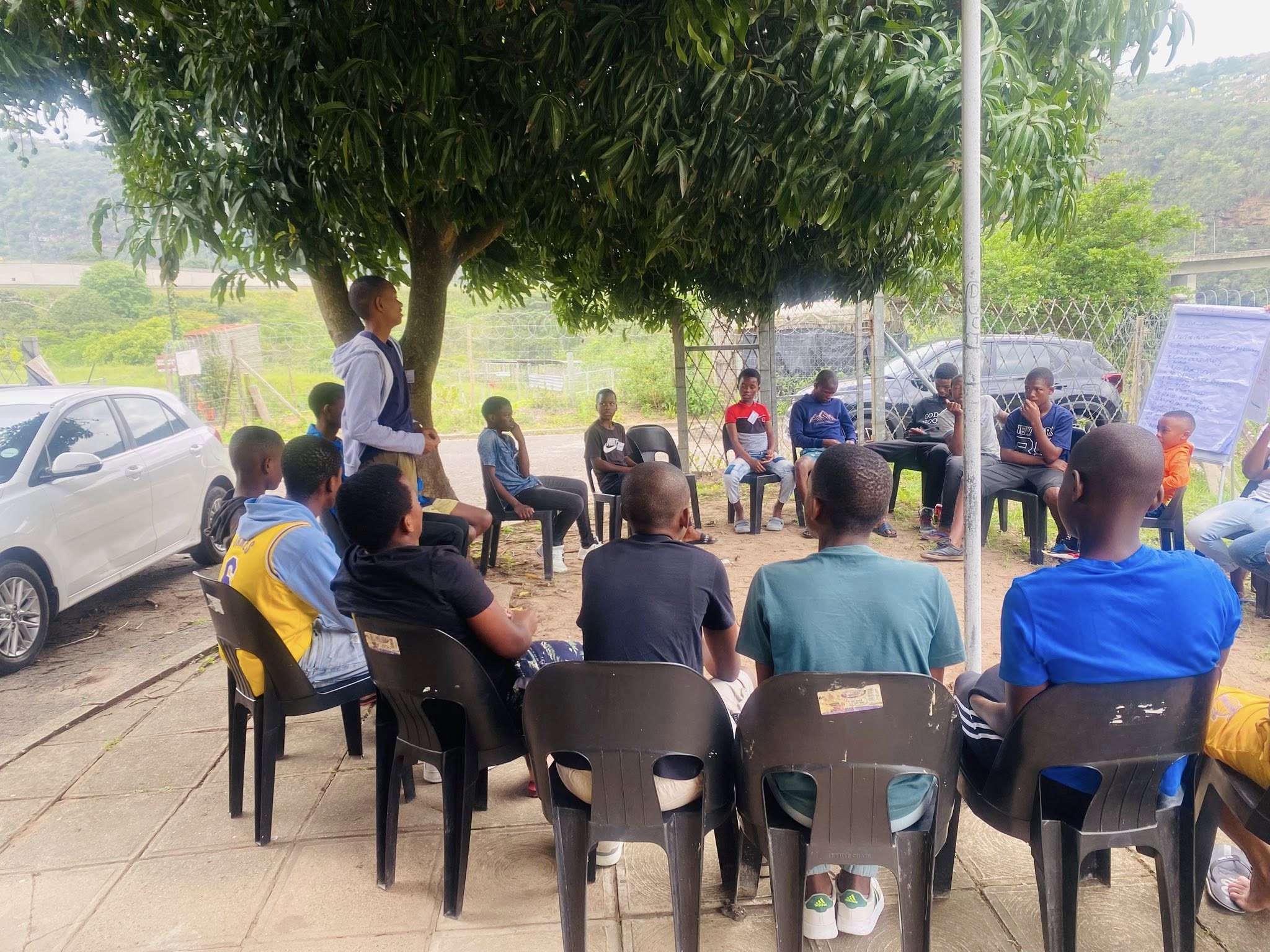
Sakhisizwe Youth Organisation approaches substance abuse within a broader youth development strategy. Beneficiaries are supported by a full time social worker and referred to rehabilitation centres when necessary. Importantly, recovery is followed by structured skills development. In partnership with Seda Academy, young people participate in twelve month accredited programmes that combine theory and workplace experience while earning a stipend. Additional pathways include entrepreneurship training, cell phone repair with start-up equipment, plumbing, and security training with registration support. In collaboration with the Department of Social Development, the organisation also runs a Youth Leadership Programme for boys and young men. Their approach recognises that lasting recovery is strengthened by dignity, employability, and opportunity.
Katsi Youth in Action Organisation focuses on prevention and early intervention among high school learners. Working closely with schools in Clermont and surrounding areas, they educate pupils about therisks of drug and substance abuse. Weekly support groups and one on one sessions assist learners who are referred by schools, with ongoing aftercare for those committed to change. In partnership with KwaDabeka Clinic, beneficiaries are supported through detoxification. Holiday programmes further address peer pressure, build self-confidence, and provide positive alternatives through sport and skills development. Their work reinforces the principle that prevention is both socially transformative and economically responsible.
While donors may give for different reasons, one requirement sustains long term support, and that is trust. Donors want assurance that programmes work, that outcomes are measured, and that leadershipis ethical and transparent. For causes that do not benefit from automatic emotional appeal, credibility becomes the core value proposition.
We operate in an era of donor caution shaped by publicised cases of corruption and mismanagement. Proper governance, audited financial statements, transparent reporting, and statutory compliance are no longer optional. They signal seriousness and respect for donor trust. Good intentions must be matched by organisational discipline.
Emotion may spark the first donation, but confidence sustains ongoing support. Rehabilitation and substance abuse recovery may not always evoke immediate sympathy, yet they are fundamental torestoring families and strengthening communities. When donors support credible organisations in these complex spaces, they invest not only in individual recovery but in safer neighbourhoods and renewed futures. In a world where trust is fragile, it is the organisations that combine compassion with accountability that will endure.